Service
Brand
A presence people recognise.
Brand isn't a logo. It's the answer to why someone buys from you rather than the next option. I build a presence that fits your business: premium enough for your standards, consistent enough that it looks the same on an invoice, a website, and a van.
- Positioning & core message
- Logo, colours, typography
- Imagery and tone-of-voice guidelines
- Templates for quotes, invoices, social
A brand is a decision aid
Brand tends to be treated as a matter of taste: a logo, some colours, a bit of feeling. In practice it's something else. It's the shortcut a customer uses to decide whether they trust you with what they need, before reading a single quote.
The most common pattern in smaller businesses: the work is considerably better than its presentation. People who are excellent at their craft often sell themselves short online, because their site looks like the competitor's who works half as carefully.
A brand identity closes exactly that gap. It doesn't shift perception of something that isn't there, it makes visible what is already being delivered. Colours, typography, and imagery aren't questions of taste but signals: they tell a customer which league they're in, before they have read a single quote.
How fast the judgement happens
How long does someone need to form a judgement about your presence? A research group around Gitte Lindgaard at Carleton University measured it: they showed test subjects web pages for 500 milliseconds, and in a further run for just 50 milliseconds.
The result was unambiguous. Ratings after 50 milliseconds correlated strongly with those after 500 milliseconds, and both stayed stable across repetitions. A twentieth of a second is enough for a judgement that turns out to be remarkably persistent.
That explains why design isn't a matter of taste. The first impression forms before anyone has read a word, and it then colours everything that follows: the assessment of your competence, your prices, and your reliability.
- 50 ms
- is enough for a stable judgement on visual appeal
- 3
- sub-studies, results replicated each time
- 2006
- published in Behaviour & Information Technology
The study measures the speed of the judgement, not its accuracy. It says nothing about whether an attractive presence means a competent company, only that people assume exactly that.
What's involved
Positioning. What do you stand for, for whom, and why not for everyone? That's the part that hurts and the part that makes everything else possible.
Design. Logo, colours, typography, imagery. Not for its own sake, but derived from the positioning.
Application. A brand that only exists on the website isn't one. Quotes, invoices, job ads, and vehicle livery all have to carry the same handwriting.
Reference projects
All Projects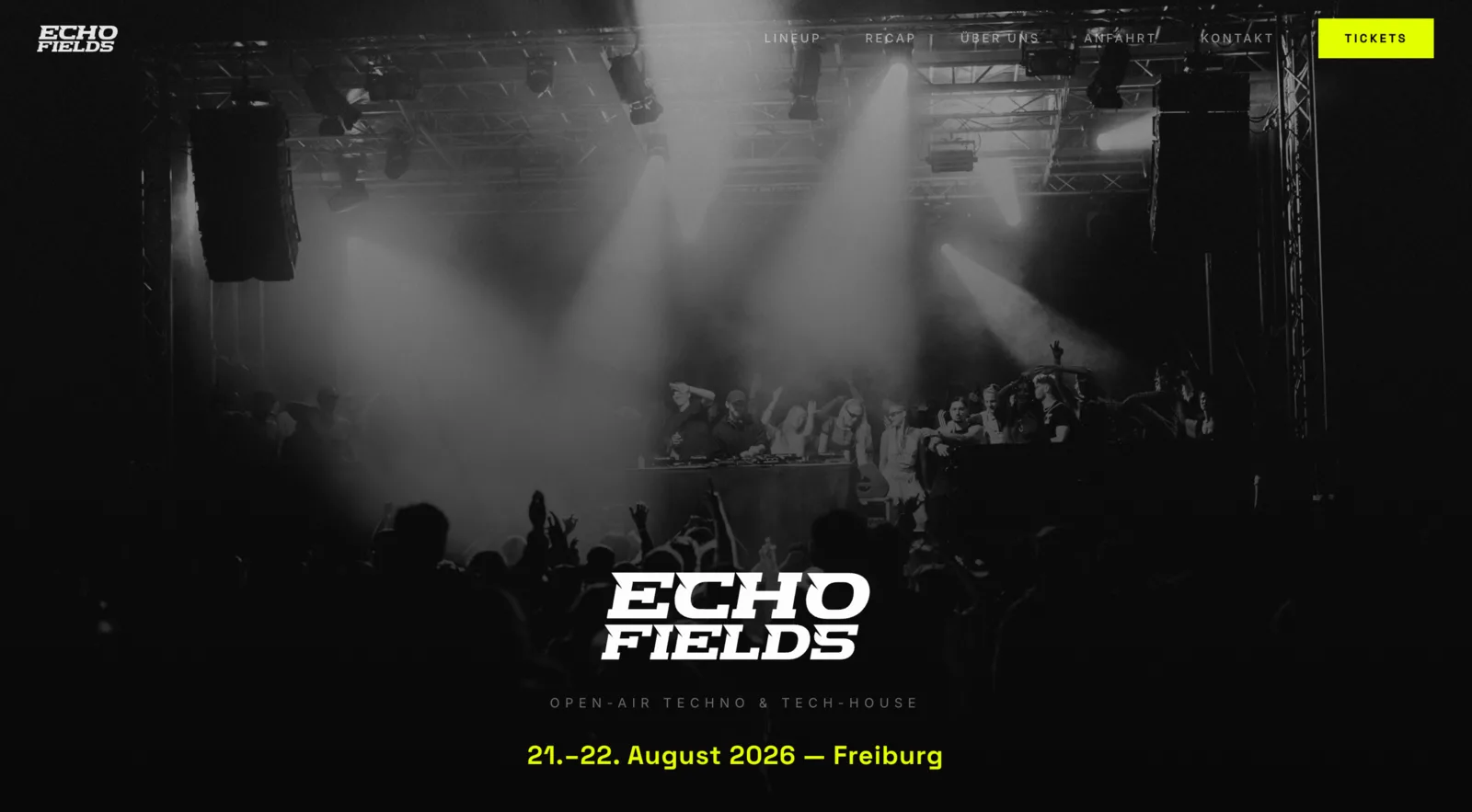
Frequently asked questions about this service
- Do I need a brand if I only want a website?
- Not necessarily, but the question comes up anyway. As soon as someone builds a website, they have to settle colours, fonts, and tone. The only question is whether that happens incidentally or deliberately. If you already have a working identity, I work with it.
- How is this different from a logo designer?
- A logo alone changes little. The difference appears when the same handwriting shows up on the website, quotes, invoices, and job ads. Because I build those touchpoints anyway, the consistency emerges automatically rather than in a handover between three vendors.
- How long does a brand identity take?
- The design itself takes two to four weeks. The positioning beforehand takes longer, because it requires decisions only you can make. That time is well spent, because without it the design becomes arbitrary.
Other services
Have a similar project in mind?
Tell me about it. I'll reply within 24 hours with an honest assessment.